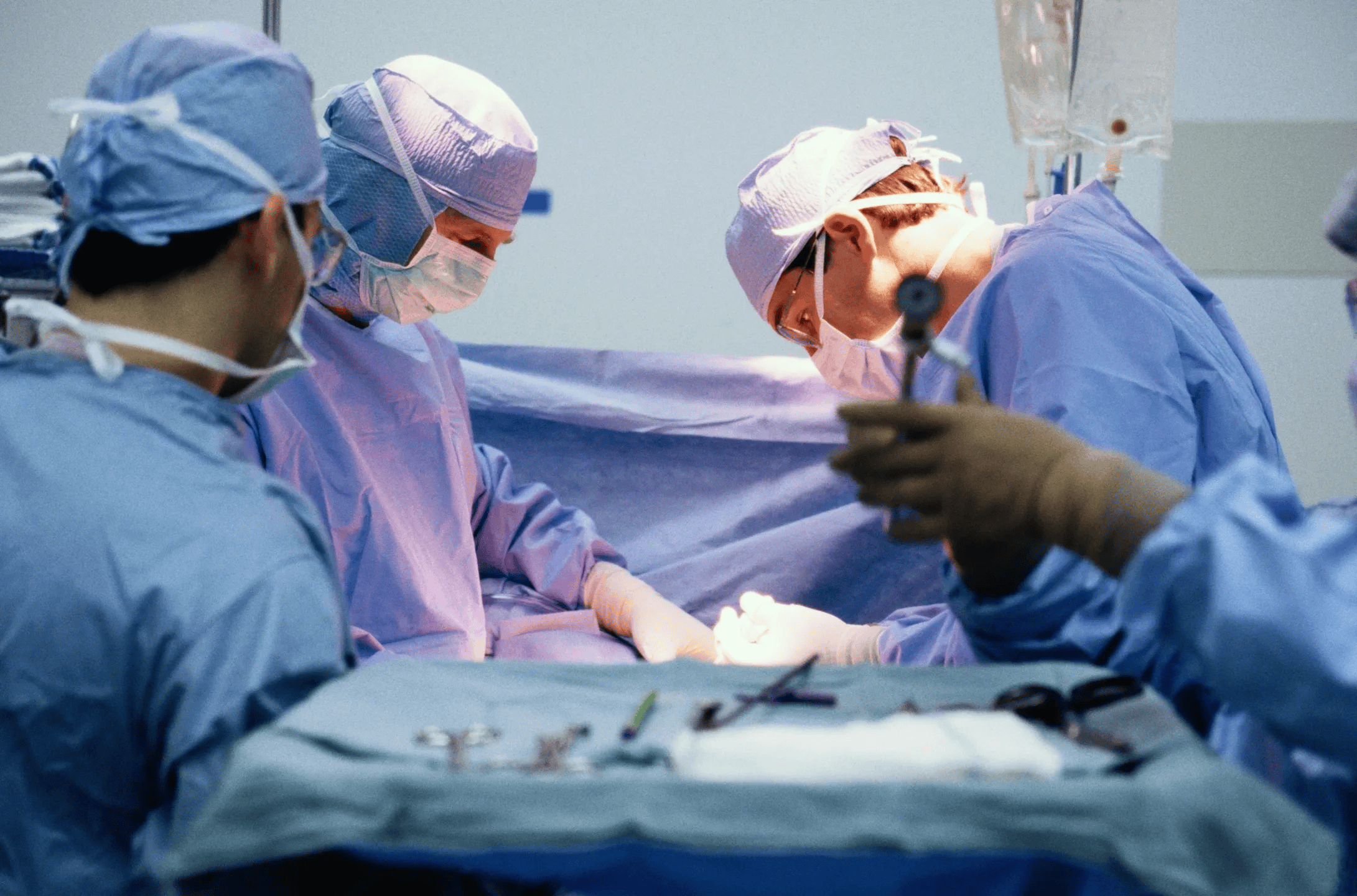
Chronic Obstructive Pulmonary Disease (COPD) is a progressive inflammatory lung disease causing severe airflow obstruction, progressive dyspnea, and respiratory muscle exhaustion. For individuals living with end-stage COPD and irreversible emphysema, optimal medical therapies and inhalers eventually reach their biological ceiling. In this clinical stage, lung transplantation provides the most definitive opportunity to prolong life and restore physical independence.
When Does COPD Transition to Transplant Evaluation?
In early and moderate stages, COPD is managed effectively with inhaled bronchodilators, inhaled corticosteroids, targeted vaccinations, and pulmonary rehabilitation. However, as alveolar septa break down and airways collapse, patients experience progressive carbon dioxide retention (hypercapnia), hypoxemia requiring continuous supplemental oxygen, and frequent emergency hospitalizations.
According to international guidelines and clinical practice led by Dr. Pavan Yadav at KIMS Hospitals Bangalore, transplant referral should occur before secondary organ failure (such as severe cor pulmonale or irreversible renal impairment) develops. Timely referral ensures the candidate has sufficient physical reserve to withstand the pre-transplant waiting period and major thoracic surgery.
Clinical Highlight: Timely Referral in End-Stage COPD
"Lung transplantation is not a last-minute emergency rescue; it is an organized, proactive pathway. Referring a COPD candidate when functional mobility remains allows for structured pre-habilitation, ensuring superior survival." — Dr. Pavan Yadav M.V. – Pulmonologist & Lung Transplant Specialist
Key Benefits of Lung Transplantation in COPD
For carefully selected candidates with terminal emphysema and refractory COPD, lung transplantation yields transformative clinical outcomes:
- Substantial Improvement in Quality of Life: Severe air hunger and breathless exhaustion are replaced with comfortable, spontaneous tidal breathing. Patients regain the ability to walk, travel, socialize, and participate in family life.
- Freedom from Supplemental Oxygen: Prior to surgery, many COPD patients are tethered 24/7 to oxygen concentrators or portable tanks. Following successful transplant and rehabilitation, the vast majority are completely weaned off supplemental oxygen.
- Extended Overall Survival: End-stage COPD patients facing less than a 50% probability of 2-year survival on medical therapy achieve substantial life extension, with national and institutional 1-year survival exceeding 85%.
- Reduction in Acute Pulmonary Exacerbations: Chronic airway mucus hypersecretion and recurrent hospital ICU admissions are eliminated as the diseased lung is replaced with non-obstructed, healthy donor tissue.
Eligibility Criteria for Lung Transplantation in COPD
Candidacy screening is comprehensive and conducted by a multidisciplinary board including transplant pulmonologists, cardiothoracic surgeons, critical care intensivists, nutritionists, and psychologists:
- Severe Airflow Obstruction: Post-bronchodilator Forced Expiratory Volume in 1 second (FEV1) typically below 20% to 25% of predicted values.
- Elevated BODE Index: A BODE score (Body mass index, airflow Obstruction, Dyspnea, Exercise capacity) of 7 to 10 points, indicating high projected 2-year mortality on medical therapy alone.
- Oxygen Dependence & Hypercapnia: Severe hypoxemia (PaO2 < 55-60 mmHg on room air) and persistent arterial carbon dioxide retention (PaCO2 > 50 mmHg).
- Absolute Smoking Cessation: Confirmed abstinence from all tobacco, vaping, and nicotine products for a mandatory minimum of 6 consecutive months prior to waitlist registration.
- Absence of Significant Comorbidities: Normal or reversible cardiac ejection fraction, absence of active systemic cancer or uncontrollable sepsis, and stable renal and hepatic function.
Single vs. Double Lung Transplantation for COPD
Depending on patient age, thoracic anatomy, pulmonary artery pressures, and donor availability, surgeons perform either:
- Single Lung Transplantation (SLT): Suitable for older candidates (typically > 60-65 years) without active chronic bacterial infections. Single lung procedures shorten surgical operating time, reduce cardiopulmonary bypass needs, and maximize donor organ distribution.
- Bilateral Double Lung Transplantation (BLT): Recommended for younger recipients and patients with significant secondary pulmonary hypertension or bullous emphysema, offering superior long-term spirometric reserve and avoiding hyperinflation of the native lung.
Transplant Evaluation at KIMS Hospitals Bangalore
At KIMS Super Speciality Hospital Bangalore, COPD patients undergoing transplant evaluation are backed by an integrated continuum of care. From pre-operative workup and ECMO life support stabilization to advanced organ matching with EVLP donor organ reconditioning, our surgical programme directed by Dr. Pavan Yadav offers patients across Karnataka, Kerala, and Tamil Nadu world-standard care. For hospital breakdown and financial details, consult our Guide to Lung Transplant in Bangalore.
Frequently Asked Questions About Lung Transplantation in COPD
When should a COPD patient consider a lung transplant evaluation?
A patient should seek transplant evaluation when their FEV1 falls below 20-25% of predicted, when they require continuous supplemental oxygen, when acute exacerbations lead to frequent hospitalizations with carbon dioxide retention, or when their BODE index reaches 7 or above despite maximum inhaler and medical therapy.
Is a single lung transplant or double lung transplant preferred for COPD?
Both approaches have specific clinical advantages. Single lung transplantation is commonly chosen for older patients to minimize surgical stress and utilize one donor lung for two recipients. Bilateral double lung transplantation is favored for younger individuals and those with severe secondary pulmonary arterial hypertension to provide maximal exercise capacity and long-term durability.
How does a lung transplant improve quality of life and oxygen dependence in COPD?
A successful transplant removes the irreversibly damaged lung tissue and replaces it with compliant donor lungs. As a result, shortness of breath resolves dramatically, oxygen saturation normalizes on room air, and patients can perform everyday tasks—walking, traveling, and light exercise—without oxygen cylinders or breathlessness.